AOYE Brings Environmental Awareness to AUC’s Junior International Model United Nations
The Arab Office for Youth and Environment (AOYE) participated in the Junior Conference of the International Model United Nations (JCIMUN), organized by the American University in Cairo (AUC), with a series of educational and interactive activities aimed at strengthening environmental awareness among young people, deepening their understanding of sustainable development issues, and encouraging them to take practical initiatives to protect the environment and conserve natural resources.
Invited by the American University in Cairo (AUC), the AOYE participated in the event, engaging school students aged 14 to 18 through innovative activities that combined learning, hands-on experience, and friendly competition. The activities presented environmental concepts in accessible and engaging ways, helping young people translate knowledge into responsible behavior and sustainable everyday practices.
The conference opened with an inauguration ceremony on October 3. The first week of activities ran from October 4 to 10, while the second week is scheduled for October 18 to 24. The event is expected to attract around 3,000 participants as part of broader efforts to develop young people’s skills, strengthen their ability to discuss global challenges, engage with shared concerns, and contribute to shaping solutions.
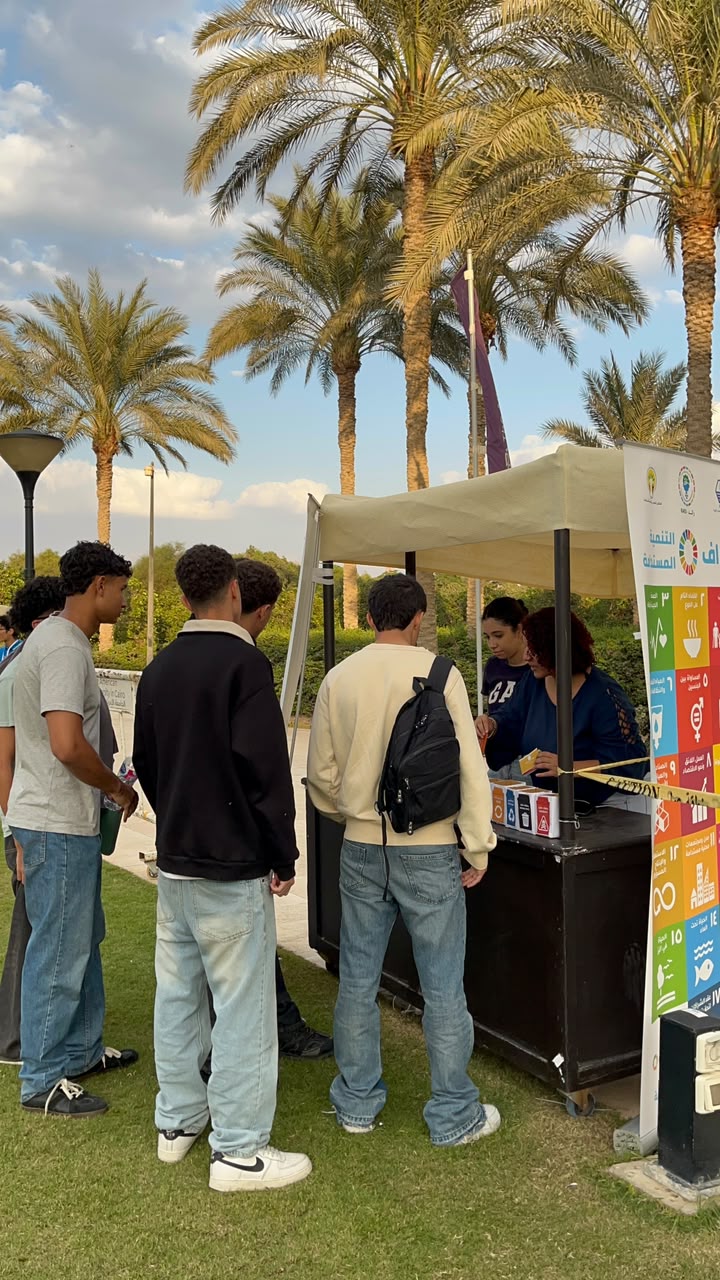
As part of its participation, AOYE organized a series of environmental awareness games focusing on waste management, biodiversity, environmental information verification, and the Sustainable Development Goals (SDGs). The activities promoted participatory learning, giving students opportunities to explore environmental issues, test their knowledge, and engage with key concepts in an interactive and stimulating setting.
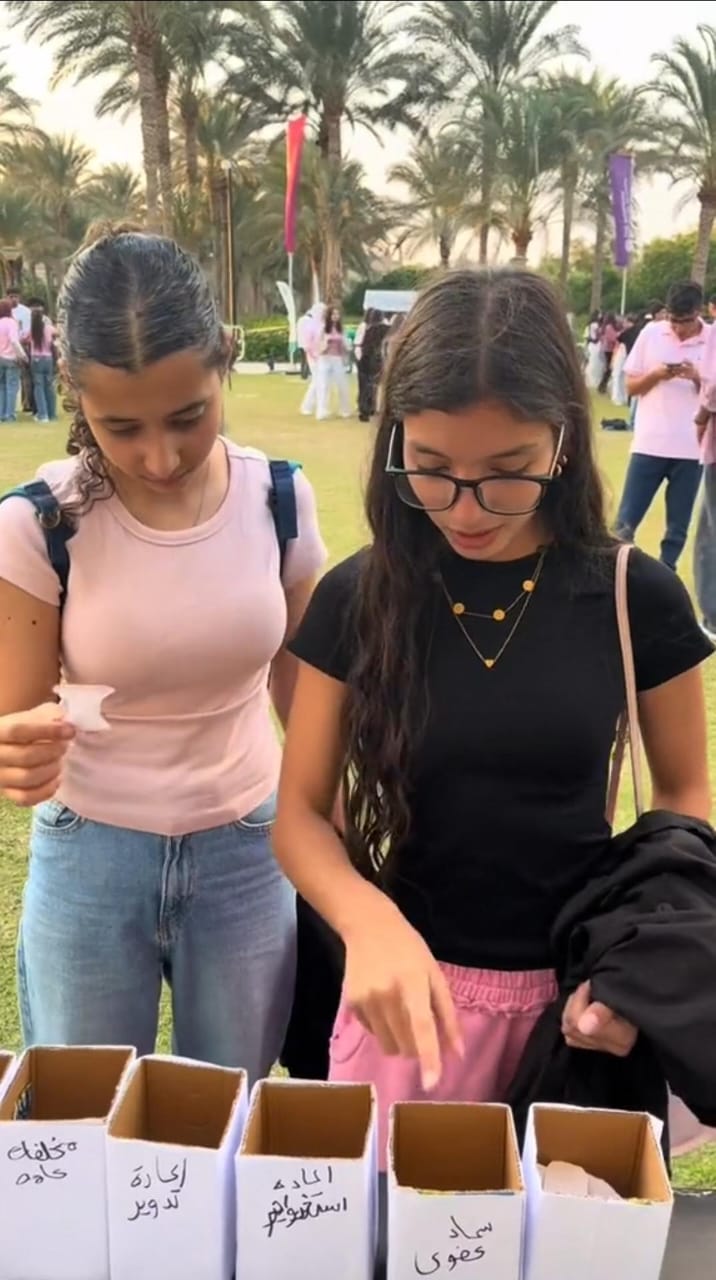
One of the activities, the “Waste Sorting” game, introduced students to different types of waste and methods of classification. It also highlighted the importance of proper waste management, reducing environmental impacts, promoting reuse, and encouraging responsible waste disposal practices.
The “Egyptian Ecosystems” game invited participants to discover the living organisms associated with four major ecosystems in Egypt: the desert, the Nile River, the Red Sea, and wetlands. The activity highlighted the richness of Egypt’s biodiversity and deepened students’ understanding of the importance of protecting ecosystems and natural habitats as essential foundations for ecological balance and sustainable resource management.
The program also featured a “Fact or Fake” game, which tested students’ knowledge of environmental issues through a series of statements they were asked to assess. The activity helped develop critical-thinking and information-verification skills while encouraging participants to approach environmental information and issues with greater awareness and discernment.
The activities also explored the SDGs through a “Truth or Dare” game, combining knowledge-based questions with practical challenges related to the goals. The game helped students connect global sustainability concepts with everyday situations and recognize how individuals and communities can contribute to sustainable development through simple but meaningful actions.
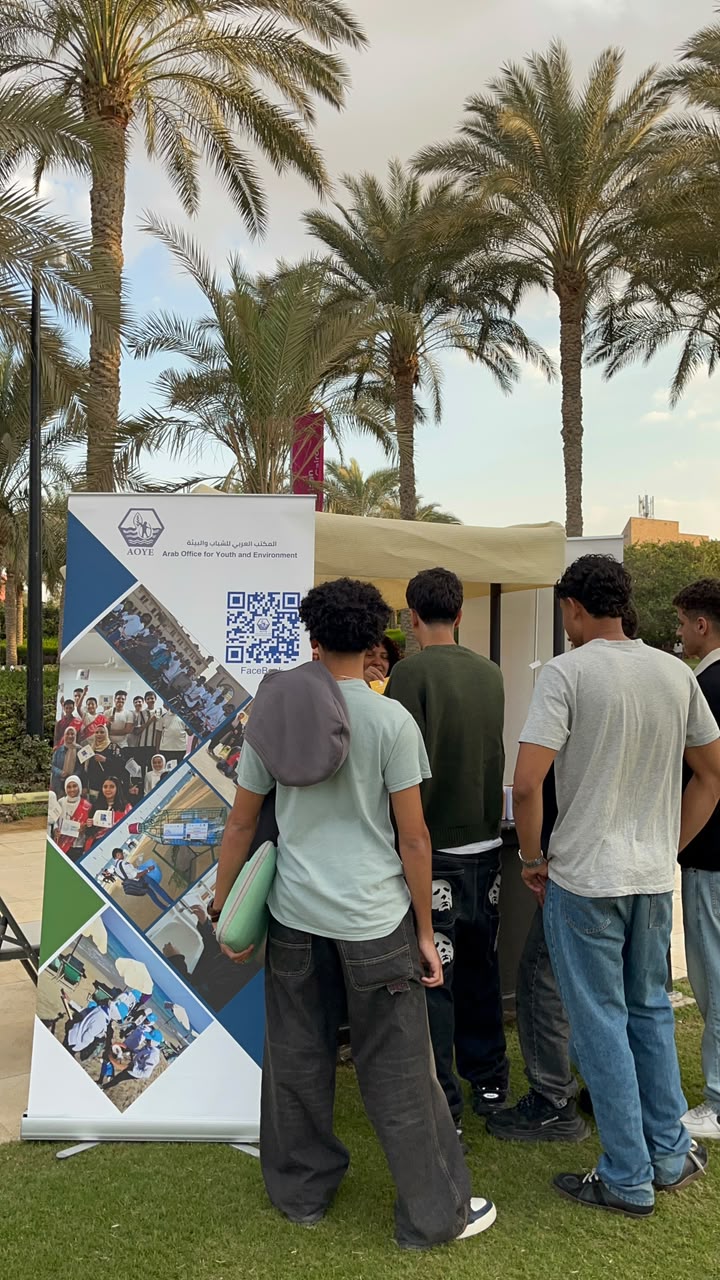
AOYE’s booth attracted considerable interest from students, who enthusiastically participated in the games, answered questions, and took on the challenges. Small prizes awarded for correct answers helped foster a spirit of friendly competition and encouraged more students to take part.
The experience highlights the value of interactive learning tools in advancing environmental education and moving beyond the simple dissemination of information toward building knowledge, developing skills, and encouraging initiative. Engaging young people in practical activities enables them to gain a deeper understanding of environmental challenges, distinguish reliable information from misleading claims, and connect global issues with individual and community responsibilities.